



Power of the city buildler in the palm of your hands.
Cities: Skylines was borne from a negative response to SimCity fumbling the bag for their 2013 attempt at a reboot. That game was stymied by required online connection, technical issues, and reliance on sister cities from other players to trade for finite resources. In 2015, Colossal Order and Paradox Interactive took the initiative, dusted off their city building chops, and became an insurgent in the genre after Maxis’ face planting. What followed was a successful game that blossomed over the years with expansion packs and eventually a full-fledged sequel, and now that it’s had a rerelease on the Nintendo Switch 2, we have what’s ostensibly the most complete collection of the game with some disappointing misses.
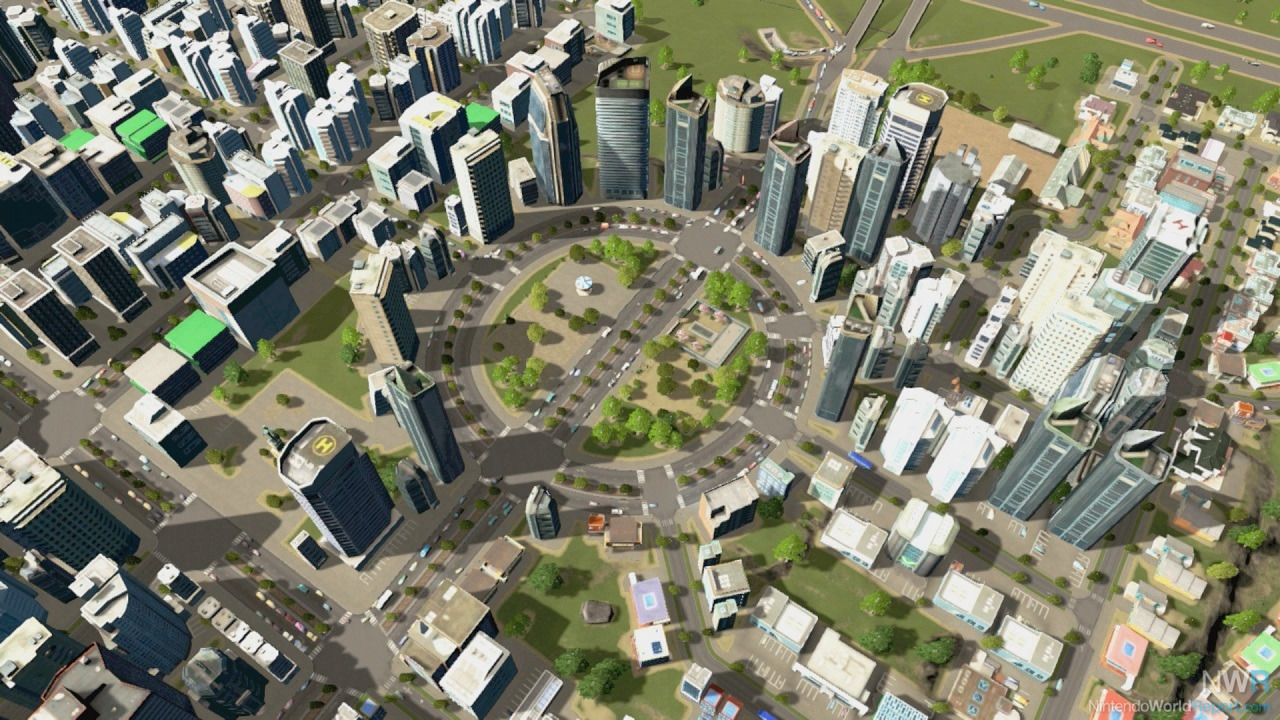
Cities: Skylines - Expanded Edition is a robust city builder. Starting with a blank canvas from a healthy selection of maps both from the base game and DLCs, you as mayor begin with a small nest egg to develop utilities (electrical & water) and plant the seeds to your burgeoning city by zoning residential, commercial, and manufacturing areas along the roads and valleys you construct. Gauges at the bottom of screen show which type of zoning is in most demand and becomes a balancing act of where and where to plan out future building. As your town grows, population count milestones yield added bonuses including additional funds, more zone types, ability to tweak taxes/budgets, as well as new buildings for education, health, police, and firefighting. With each new building or service type comes its own maintenance/upkeep cost that ties directly into resident happiness. Don’t have enough police presence? Get ready for rampant violence. Don’t have the proper schooling? Your commercial area will struggle with finding talented employees and are at risk of closure & reducing your overall tax base. Your starting area is a square piece of a larger map that can be expanded for the right price once it becomes too suffocating for your city.
It’s this delicate balancing act that drives the entirety of this experience. The cost of running roadways adds up quickly; I got caught several times attempting to expand residential housing too quickly, then scrambling to address power outages once the demand went over capacity. I depended on green energy in one case and didn’t realize my problem was that they were put in a place without good wind flow until I had dropped cash on several more than was needed. I was overeager to expand into a new island and dumped $10,000 on a bridge to nowhere while the rest of my city burned from neglect. One time when I accidentally put the water pump downstream from my sewage line, I poisoned my citizens and didn’t realize the damage until a third of my manufacturing hub was blighted. It’s easy to get into a holding pattern of living with the consequences of your short-sighted decisions and sitting with fingers-crossed that you don’t see population decline. This is a slow-deliberative experience – tinkering with the minutia is the key to successful city development. My natural state is to look for the quickest means to an end, a mindset that led me to disaster several more times than I even listed here after investing and letting events play out at 3x normal speed. After my initial frustration, I accepted that this tempo is by design and the problem was more with me than the game itself. Coming to terms and adjusting my expectations slightly let me better integrate into the game systems and make more timely and well-informed decision-making.
It’s easy to get into what feels like an unrecoverable state when enough goes wrong, especially if the issues stem from early-game choices. While you have a few loan options, revenue from taxes is what’ll drive sustainable growth. There’s a lag between when zoning is made, when the buildings are constructed, and when they start producing income. You’re constantly walking on this treadmill that requires precipitous growth of population to boost the tax revenue to fund growth to afford support services that’ll make a happy and safe environment for the city to develop further. I like the shackles this game puts on me financially as it forces a lot more pre-planning and thought than what I’m accustomed to in most of my gaming experiences. I toyed with unlimited money options in a few runs, but I had the same problem I have with things like creative mode in Minecraft – without the constraints, the motivation to build dropped-off for me. For further challenges I dipped my toes into scenarios – specific maps with towns that are in various points of disarray with disasters or with specific win states such as growing a town to 10,000 population before the end of a year or two. It’s a long time commitment but a nice twist on the formula if you’re getting tired of building your own City of Townsville.
What I don’t get is there being no Joy-Con 2 mouse control options. Nintendo introducing this feature was a tectonic shift in how I perceive what’s possible for console gaming. These city builders and grand strategy games are always a fumbled experience when stuck with the standard controller format. The game recognizes this problem enough by letting you plug in a USB mouse & keyboard directly, but that’s a couple steps too far for my liking and isn’t feasible especially when not attached to the television. This game would also benefit hugely from a decent tutorial. While it does feed you basic tips and identifies issues, there isn’t much detail on what the root cause is or how to mitigate it. In a world of Youtube tutorials and subreddits, it’s less critical, but I would prefer that level of instruction embedded into the experience itself. Finally, performance can buckle under the weight of larger cities, but that comes with the territory of these games put under console constraints.
All that to say – Cities: Skylines is a very gratifying game for someone who's been looking for something approximating the SimCity experience. It’s a meaty package that is the most complete version of the game and a wonderful opportunity to have your grand city building on the go. It runs capably on the Switch 2, even if it neglects a core feature that I find crucial for this genre if they continue making an appearance on the platform. But even with that caveat, if you have a builder mindset, like working with systems, balancing resource management with sustainable growth, and don’t mind searching for answers on the world wide web, Cities: Skylines is something I plan on spending much, much more time with.


